
Photography Tour in BhutanA photography tour through Bhutan is not just about capturing moments, it’s about immersing yourself in a culture that has remained untouched by time. This journey will take you through the best of Bhutan allowing you to capture breathtaking landscapes, vibrant festivals and intimate cultural experiences.Known as the Land of the Thunder Dragon, Bhutan stands as one of the world’s most unique and pristine photography destinations thanks to its remote location and long-standing independence. The people are warm, welcoming, and incredibly hospitable, making every visit even more memorable. Festival season is one of the best times for photography. Come for the photos, stay for the peace and leave with stories that no shutter can truly capture. |
|---|
What makes Bhutan Ideal for Photography?1. Pristine Landscapes: From snow capped peaks and lush valleys to terraced rice fields and pristine rivers, Bhutan’s landscapes offer ever changing light and texture. Locations like Paro Valley, Punakha Dzong and Phobjikha Valley are favorites for their natural beauty and serene ambiance. 2. Vibrant Festivals: Combining your visit with a Tshechu (religious festival) gives you access to scenes full of color, movement and emotion. Monks and masked dancers in traditional attire perform sacred rituals offering rich material for both portrait and action photography. 3.Unique Architecture: Bhutanese architecture is distinct with fortress like dzongs,temples and traditional farmhouses.Bhutanese architecture is more than aesthetic it is a living tradition that connects people to their beliefs, land and history. Whether standing before a towering dzong or sitting in a humble farmhouse one feels a sense of serenity and balance. 4.Portraits of Daily Life: From elderly monks chanting prayers in a monastery to children playing in the fields Bhutan's people are warm and welcoming and many are open to having their portraits taken if approached with respect Best Month for Photography Spring (March–May): Blooming rhododendrons and clear skies. Autumn (September–November): Ideal for festivals, golden rice fields and crisp mountain views. Winter (December–February): Best light for photography and fewer tourists though colder. |
|---|
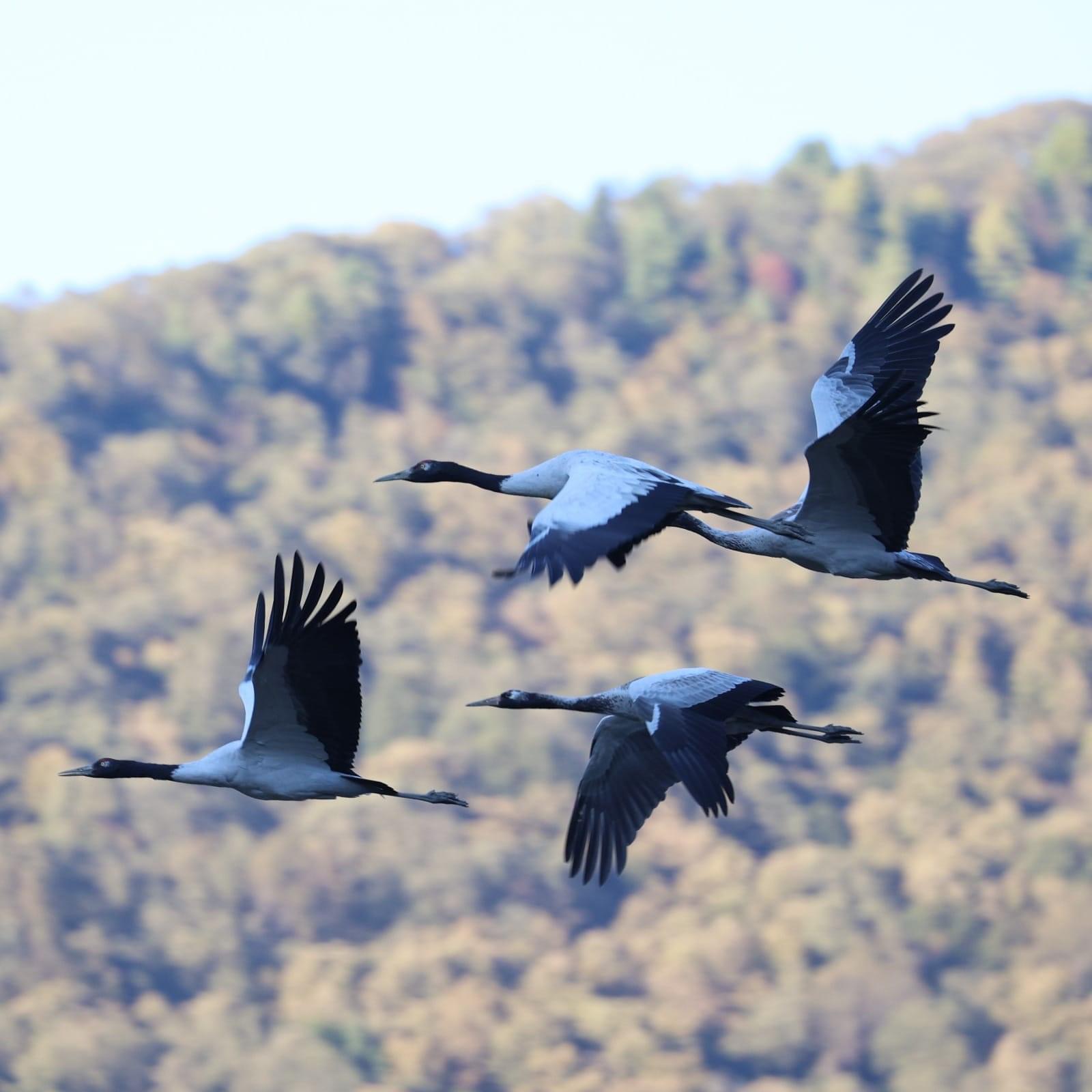
Popular AttractionsParo: One of the most iconic Tiger’s Nest Thimphu: The capital with markets and modern traditional fusion. Punakha: Beautiful dzong at the confluence of two rivers. Phobjikha Valley: Misty landscapes and black necked cranes in winter. Bumthang: A spiritual heartland with ancient temples and farm life. |
|---|